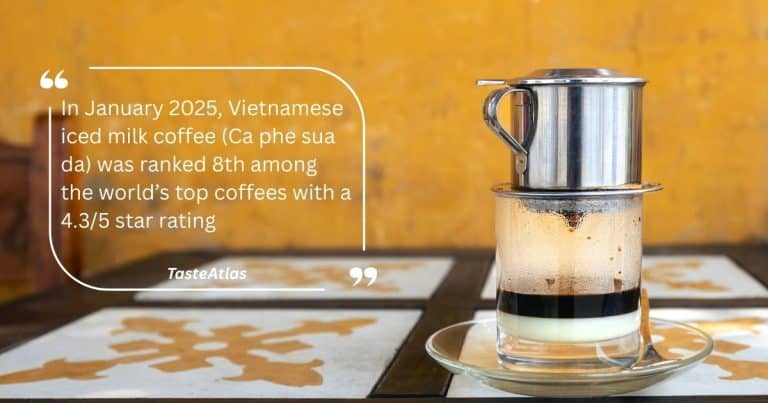
Is Vietnamese Coffee Healthy?

Vietnamese coffee is renowned worldwide for its rich, bold flavor and high caffeine content. Extracted from robusta beans and traditionally served with sweetened condensed milk, it’s a beloved beverage that raises an important question: is it actually good for your health?
Looking at the caffeine levels and sugar content from condensed milk alone, many people assume Vietnamese coffee isn’t healthy. But is that really the case?
The quick answer: It definitely won’t be healthy if you consume too much (over 3 cups per day).
In this article, let’s explore the health impacts of drinking Vietnamese coffee and the side effects if you consume too much.
How Many Cups Should You Drink Per Day?
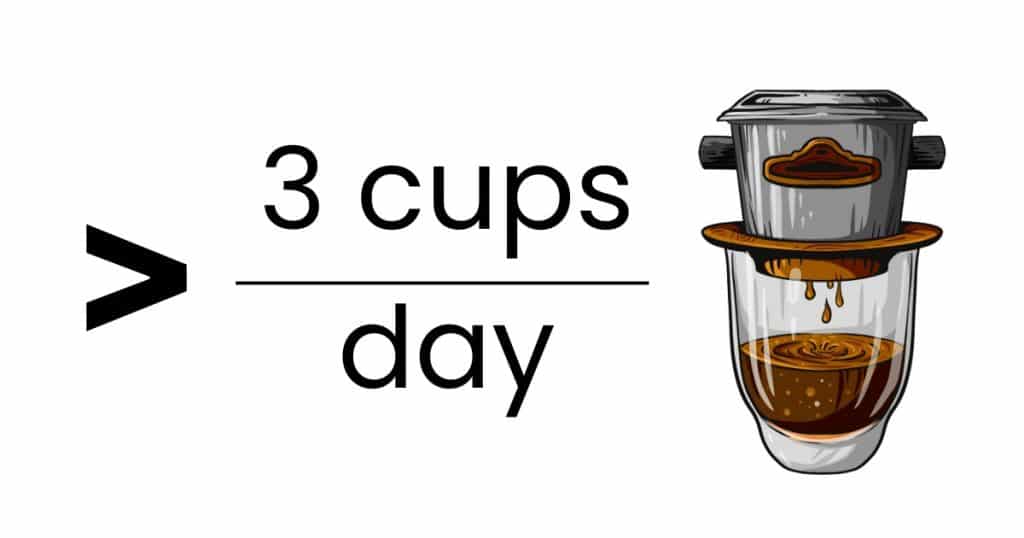
Most health experts recommend keeping daily caffeine intake below 400mg, which equals roughly 3-4 cups of coffee made from Robusta beans (one cup contains about 100mg caffeine).
However, when it comes to Vietnamese coffee with condensed milk, the sugar content becomes the limiting factor rather than just the caffeine.
Health & Caffeine Facts
A typical 120ml serving of Vietnamese coffee (1 cup) contains approximately 100mg of caffeine and 100-150 calories, depending on the amount of milk and sugar used.
Here’s the detailed breakdown:
|
Serving size |
120ml (1 cup) |
|---|---|
|
Caffeine |
100 mg |
|
Calories |
Approximately 100-150 calories per cup |
|
Carbohydrates |
13 g |
|
Fat |
2 g |
|
Protein |
1 g |
|
Sodium |
53 mg |
|
Calcium |
80 mg |
|
Potassium |
303 mg |
|
Cholesterol |
13 mg |
Bottom line: If you’re in normal health, consuming Vietnamese coffee at under 2 cups per day is completely fine from a health perspective. Those who need to limit sugar can reduce the amount of condensed milk in their coffee. In fact, in Vietnam, local coffee enthusiasts typically drink about 1.5 cups per day.
The Sugar Problem
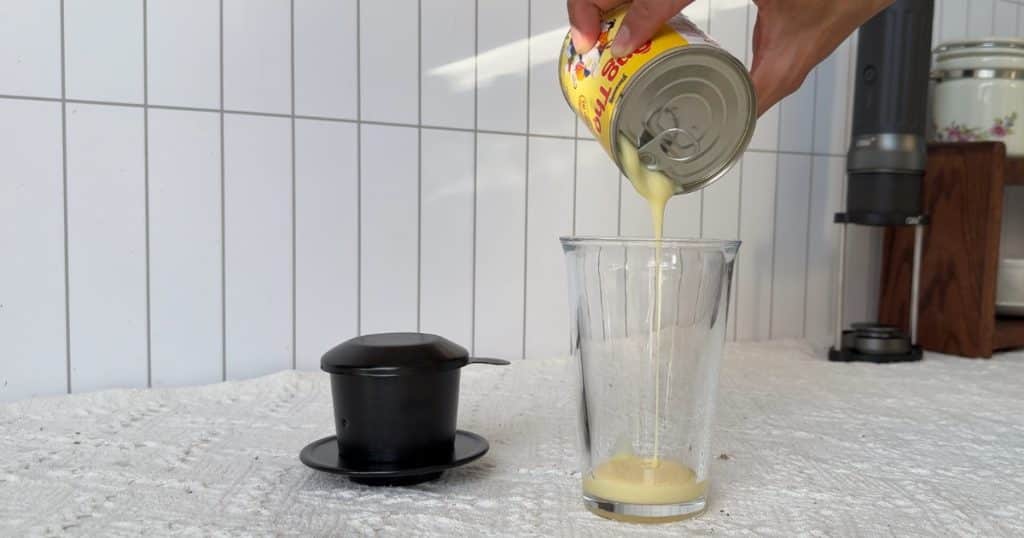
On average, one cup of Vietnamese iced milk coffee contains about 30 grams of sweetened condensed milk (15g sugar). According to the American Heart Association (AHA), recommended daily sugar intake is:
- Men ≤36g/day
- Women ≤25g/day.
Therefore, it’s best to limit yourself to 1.5 cups per day (180ml – not including ice), or reduce the amount of condensed milk if you want to drink more cups, especially for people with diabetes.
Health Benefits of Vietnamese Coffee
Vietnamese coffee offers several science-backed health benefits when consumed in moderation:
- Rich in antioxidants: Coffee is one of the largest sources of antioxidants in the modern diet. Robusta beans contain 7-10% chlorogenic acid, which helps fight inflammation and protects cells from damage.
- Enhanced mental alertness: The high caffeine content (100mg per cup) improves focus, concentration, and cognitive performance. Studies show caffeine can enhance reaction time and logical reasoning by 10-15%.
- Metabolism boost: Research published in the American Journal of Clinical Nutrition found that caffeine can increase metabolic rate by 3-11%, helping with weight management when consumed without excessive sugar.
- Reduced risk of Type 2 diabetes: A meta-analysis of 28 studies found that each daily cup of coffee is associated with a 7% reduced risk of developing Type 2 diabetes – though this benefit is diminished by added sugar.
- Liver protection: Studies indicate that coffee drinkers have up to a 70% lower risk of liver cirrhosis, particularly those who drink 2-3 cups daily.
- Lower depression risk: Research from Harvard shows that people who drink 2-3 cups of coffee daily have a 15% lower risk of depression compared to non-coffee drinkers.
- Improved physical performance: Caffeine increases adrenaline levels and releases fatty acids from fat tissues, enhancing physical performance by 11-12% on average.
Potential Side Effects of Excessive Caffeine Consumption
While moderate consumption is beneficial, drinking too much Vietnamese coffee (over 3 cups daily or 400mg+ caffeine) can lead to several side effects:
Immediate effects:
- Jitters and anxiety: High caffeine doses can overstimulate the nervous system, causing restlessness, tremors, and increased anxiety. You may feel your heart racing or experience hand tremors.
- Sleep disruption: Caffeine has a half-life of 5-6 hours, meaning consuming coffee in the afternoon can significantly impact your sleep quality and make it harder to fall asleep at night.
- Digestive issues: Coffee stimulates stomach acid production, which can cause heartburn, acid reflux, or upset stomach, especially on an empty stomach.
- Increased heart rate: Excessive caffeine can cause palpitations and raise blood pressure temporarily, particularly in sensitive individuals.
- Frequent urination: Caffeine is a diuretic, meaning it increases urine production and can lead to dehydration if fluid intake isn’t adequate.
Withdrawal symptoms: If you regularly consume high amounts and suddenly stop, you may experience headaches, fatigue, irritability, and difficulty concentrating for 2-9 days.
Hidden Health Risks of Excessive Consumption
Beyond immediate side effects, long-term excessive consumption of Vietnamese coffee poses several health risks:
Cardiovascular concerns:
- Regularly consuming more than 4 cups daily may increase blood pressure in hypertensive individuals
- Can lead to irregular heartbeat (arrhythmia) in susceptible people
- May raise cholesterol levels due to the high saturated fat content in condensed milk
Blood sugar problems:
- The 15g of sugar per cup adds up quickly – 3 cups equals 45g of sugar, exceeding daily recommendations
- Repeated blood sugar spikes from sugary coffee can lead to insulin resistance over time
- Particularly dangerous for pre-diabetics and diabetics, potentially worsening glucose control
Bone health:
- Excessive caffeine intake (over 400mg daily) can interfere with calcium absorption
- May increase calcium excretion through urine, potentially contributing to osteoporosis risk over time
- This risk is compounded if dairy intake from other sources is low
Dependency and tolerance:
- Your body adapts to regular high caffeine intake, requiring more to achieve the same effects
- Can create a cycle where you need coffee just to feel “normal” rather than energized
- Makes it difficult to function without caffeine
Weight gain:
- Despite caffeine’s metabolism-boosting effects, the high calorie and sugar content in traditional Vietnamese coffee can contribute to weight gain
- 3 cups daily adds 300-450 calories and 45g sugar – equivalent to eating a dessert every day
Pregnancy risks:
- Pregnant women should limit caffeine to 200mg daily (about 2 cups)
- Higher intake is associated with increased risk of miscarriage and low birth weight
Healthier Vietnamese Coffee Alternatives
If you want to enjoy Vietnamese coffee with healthier variations that maintain the authentic taste, try these options.
My criteria: Lower caffeine, fewer calories, delicious.
1. Vietnamese Cold Brew Coffee
Characteristics:
- Smoother, less acidic taste with 25-30% less caffeine than hot brewed
- Naturally sweeter, requiring less added sugar
- Takes 12-24 hours to brew but worth the wait
- Contains approximately 70-80mg caffeine per cup
- Can be stored in the fridge for up to 2 weeks
Ingredients: Ground coffee from Robusta beans (30%) and Arabica beans (70%)
The cold brewing process extracts fewer bitter compounds and acids, making it gentler on your stomach. The naturally sweet flavor means you can use half the condensed milk or substitute with healthier alternatives.
→ How to make authentic Vietnamese cold brew coffee
2. Vietnamese Black Iced Coffee (Ca Phe Den Da)
Characteristics:
- Zero calories (without sugar)
- Full bold flavor of Vietnamese coffee without any additives
- Contains 100-120mg caffeine per cup
- Strong, intense taste – an acquired preference for many
- You control exactly how much sugar (if any) to add
Ingredients: 80% Robusta, 20% Arabica
Eliminates all the calories, sugar, and fat from condensed milk while maintaining the authentic Vietnamese coffee experience. Add a small amount of sugar or honey if needed (5-10g instead of 15g), or enjoy it black to maximize health benefits.
→ How to make Vietnamese black iced coffee
3. Pour-Over Vietnamese Coffee
Characteristics:
- Lighter, more nuanced flavor profile
- Lower caffeine content (60-80mg per cup)
- Cleaner taste that highlights coffee’s natural flavors
- Requires more attention during brewing but offers a meditative experience
- Best enjoyed with minimal additions
Ingredients: 100% Arabica beans
Using Arabica beans instead of Robusta reduces caffeine by 30-40%. The pour-over method allows you to appreciate coffee’s natural complexity without needing sweetness. Try it with just a splash of milk (dairy or plant-based) instead of condensed milk – you’ll save 80-100 calories per cup.
→ How to make pour-over coffee
The Bottom Line
Vietnamese coffee can absolutely be part of a healthy lifestyle when consumed mindfully. The key is moderation and being aware of what you’re adding to it.
For optimal health:
- Limit intake to 1-2 cups per day
- Use less condensed milk (15-20g instead of 30g) or substitute with healthier alternatives
- Avoid drinking coffee after 2 PM to protect your sleep
- Stay hydrated – drink a glass of water with each cup of coffee
- Listen to your body – if you experience jitters, anxiety, or sleep issues, cut back
The rich cultural tradition of Vietnamese coffee doesn’t have to be sacrificed for health. With smart modifications and moderation, you can enjoy this beloved beverage while supporting your wellbeing. Remember: it’s not about perfection, it’s about finding a sustainable balance that works for your body and lifestyle.
FAQ
How can I make Vietnamese coffee healthier?
You can reduce the amount of sweetened condensed milk, or substitute it with fresh milk, plant-based milk (oat, almond, soy), or even coconut milk for a different flavor profile. Another option is using half condensed milk and half regular milk, which cuts sugar and calories by about 40% while maintaining some of the traditional richness.
Is Vietnamese coffee stronger than regular coffee?
Yes, Vietnamese coffee typically contains more caffeine due to its use of Robusta beans, which have nearly double the caffeine content of Arabica beans. A standard cup of Vietnamese coffee has about 100mg of caffeine compared to 60-80mg in regular American coffee. The brewing method with a phin filter also creates a more concentrated brew.
Can I drink Vietnamese coffee every day?
Yes, you can drink Vietnamese coffee daily in moderation (1-2 cups). However, be mindful of your total daily caffeine and sugar intake. If you drink it every day, consider alternating between the full condensed milk version and healthier variations to balance enjoyment with health benefits.
What’s the best time to drink Vietnamese coffee?
The optimal time is in the morning (6-10 AM) when your cortisol levels naturally dip and you can benefit most from caffeine’s alertness boost. Avoid drinking coffee after 2 PM as the caffeine can interfere with sleep quality. If you drink it after meals, wait 30-60 minutes to avoid interfering with iron absorption.
Is condensed milk the only traditional way to drink Vietnamese coffee?
While condensed milk is the most iconic preparation, Vietnamese coffee culture includes many variations. Black coffee (ca phe den), coffee with fresh milk (ca phe sua tuoi), and egg coffee (ca phe trung) are all authentic Vietnamese preparations. The condensed milk tradition originated from French colonial times when fresh milk was scarce and required preservation.